The Logistics of Arrival: A Complete Guide to Maldives Transfers
For most travelers, the arrival at Velana International Airport (MLE) is only the penultimate step of the journey. Because the Maldives is an archipelago of nearly 1,200 islands spread across 90,000 square kilometers, reaching your final destination requires a secondary leg by sea or air. These transfers are not merely transport; they are a highly coordinated logistical operation managed exclusively by the resorts. From the daylight-restricted windows of seaplanes to the cost-saving potential of domestic flight alternatives, understanding the mechanics of these transfers is essential for a seamless transition from the tarmac to the lagoon.

The Arrival Hall: Navigating the Welcome
Upon clearing customs and entering the arrival hall, the atmosphere is busy but organized. You will be met by a sea of representatives holding boards with resort names or specific guest names.
Expert Tip: While many luxury resorts have a personal greeter waiting exactly at the exit, some larger properties (such as Sun Island) require you to proceed directly to a specific hotel counter (e.g., Counter #B9). Always check your booking confirmation for your specific counter number.
If you do not see your representative immediately, do not worry. Maldivians are renowned for their hospitality; simply approach any representative holding a board. They will almost always assist in locating your specific greeter or calling the resort on your behalf to coordinate your pickup.
The Mandatory Logistics: Why You Can’t Book Yourself
In most global destinations, a traveler can exit the airport and choose between a taxi, a train, or a rental car. The Maldives operates differently. Every private resort island is a self-contained entity responsible for its own borders. Consequently, guests cannot independently book a seaplane or a private boat to a resort.
When your booking is confirmed, your international flight details are integrated into the resort’s daily manifest. The resort then coordinates with operators like Trans Maldivian Airways (TMA) or their own fleet to ensure a seat is reserved for you. This "closed-loop" system ensures that the resort knows exactly when to prepare your welcome at the jetty.
Speedboat Transfers: The 24-Hour Gateway
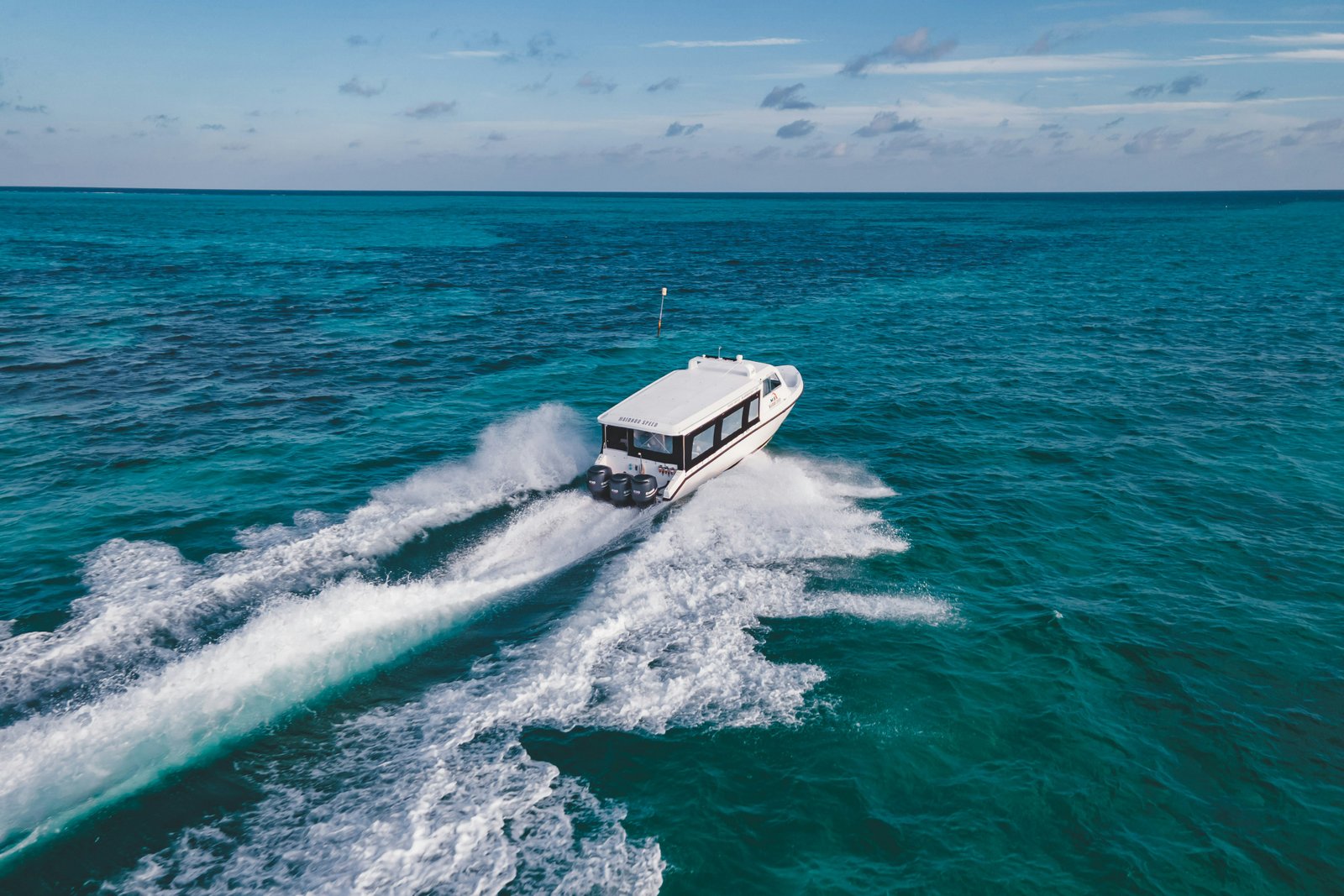
For resorts located within the North Malé or South Malé Atolls, the speedboat is the primary mode of transport. The greatest advantage of the speedboat is its 24-hour operation. Regardless of whether you land at noon or midnight, a vessel will be waiting.
The Journey: While a 15-minute crossing to a nearby resort is effortless, a 60-minute journey to the edge of the atoll can be physically demanding if the swell is high. Modern resort speedboats are equipped with covered cabins and refreshments, but the power of the Indian Ocean remains a constant factor.
The Logistics: Upon clearing customs at Velana International Airport, guests proceed to a designated resort counter (e.g., Counter B9) where a representative escorts them directly to the airport jetty, located just steps from the arrival hall.
Domestic Flights: Reaching the Remote South and North
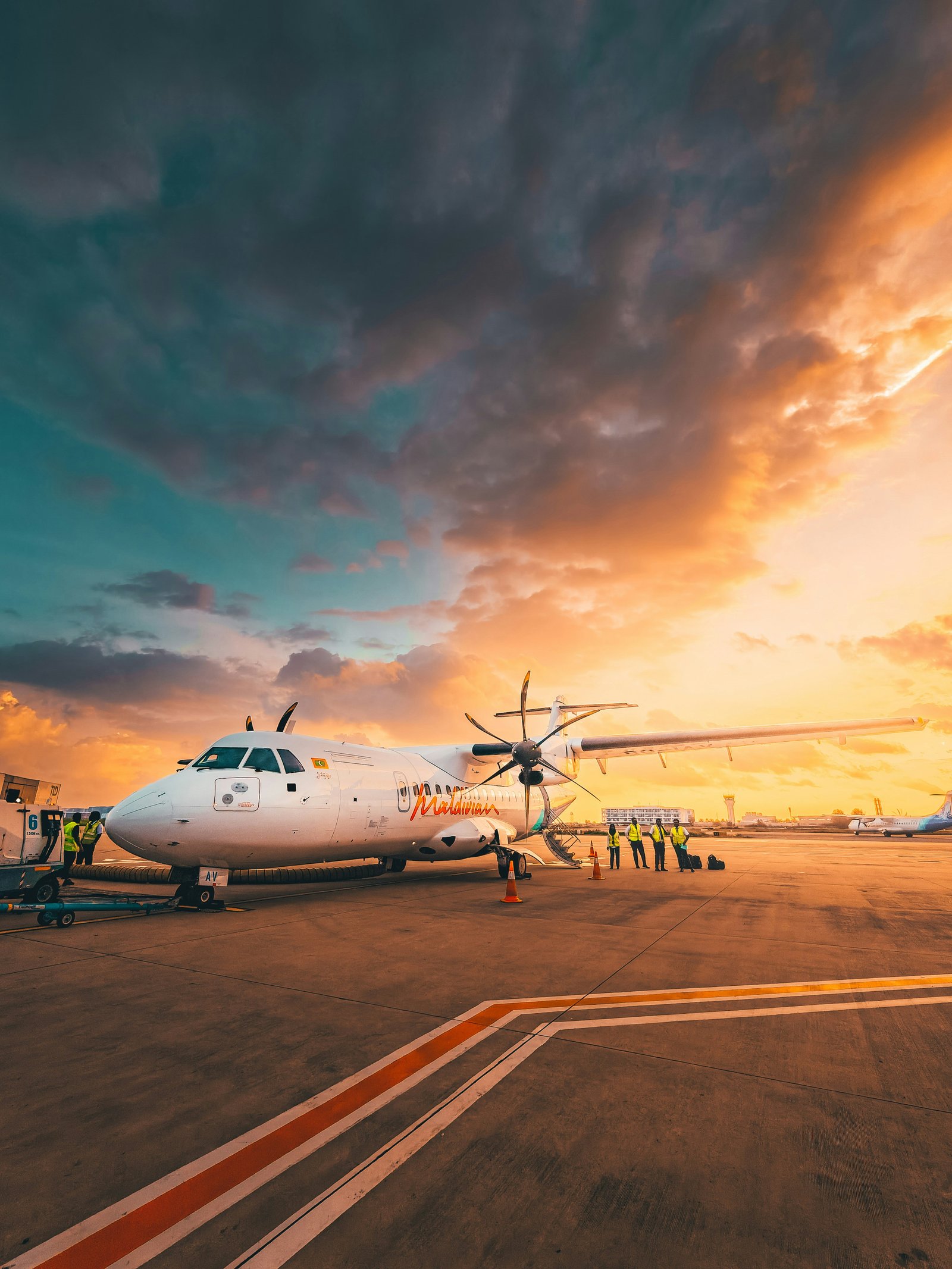
As the Maldives tourism map expands into the deep south (Gaafu Alifu and Addu Atolls) and the far north, domestic wheeled aircraft have become more prominent. These flights operate from the domestic terminal at Velana to regional airports like Dharavandhoo, Kooddoo, or Gan.
Weather Reliability: Unlike seaplanes, domestic flights are equipped with radar and can fly at night or during heavy tropical rain.
The Final Leg: A domestic flight is always followed by a short speedboat ride from the regional airport to the resort. This "dual-leg" journey is often the only way to reach the most pristine, untouched reefs far from the capital.
The Seaplane Experience: Barefoot Pilots and Atoll Views
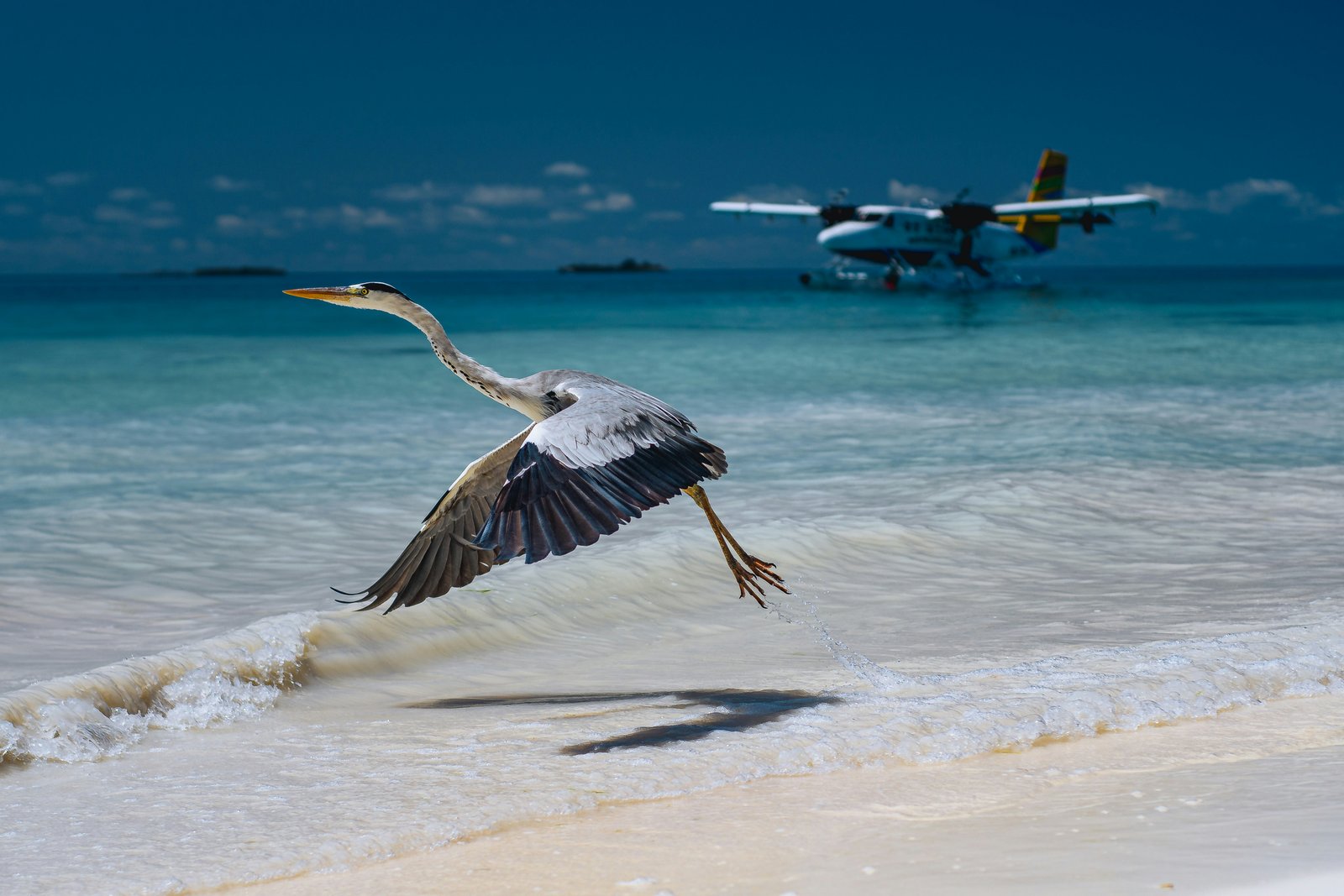
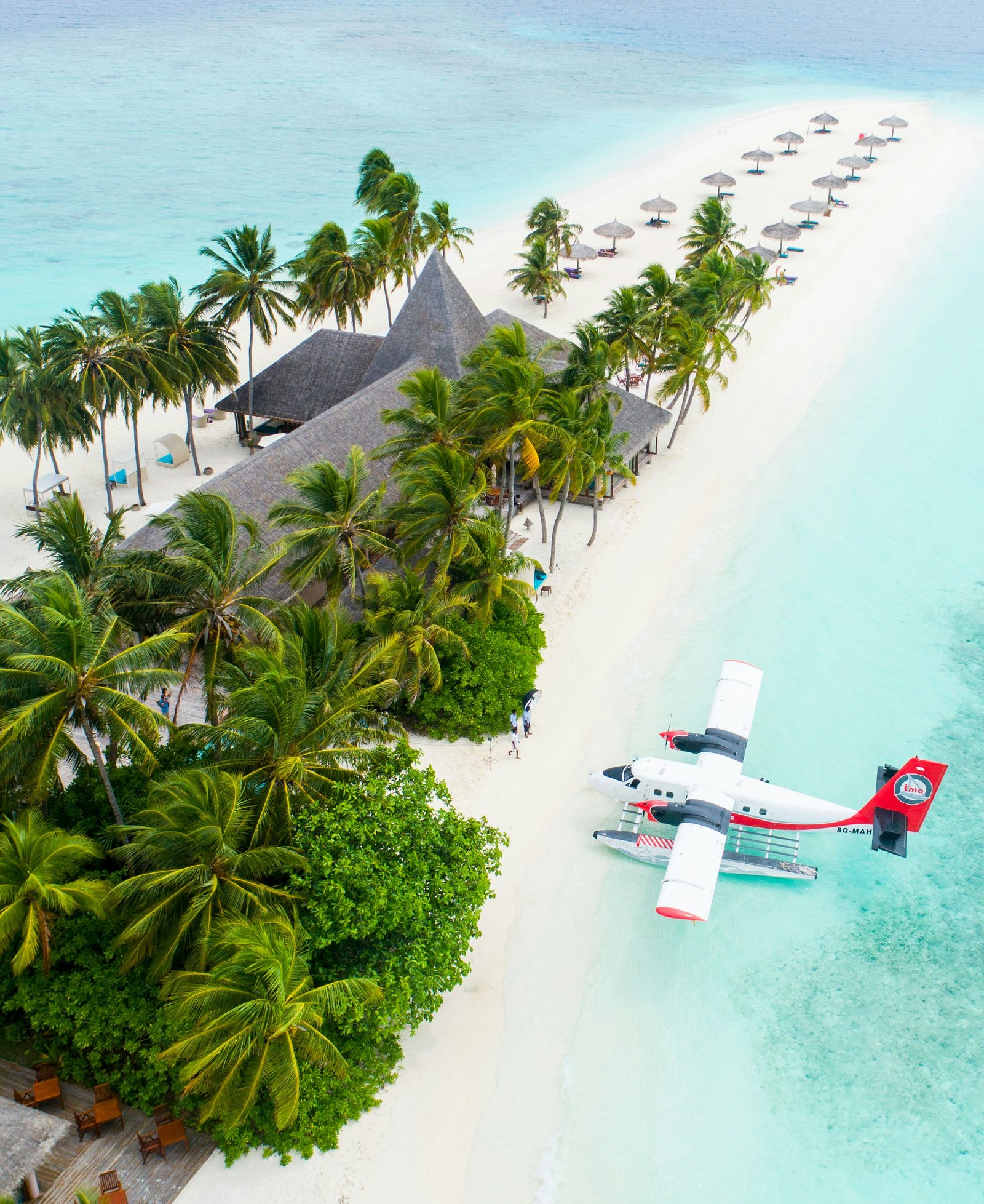
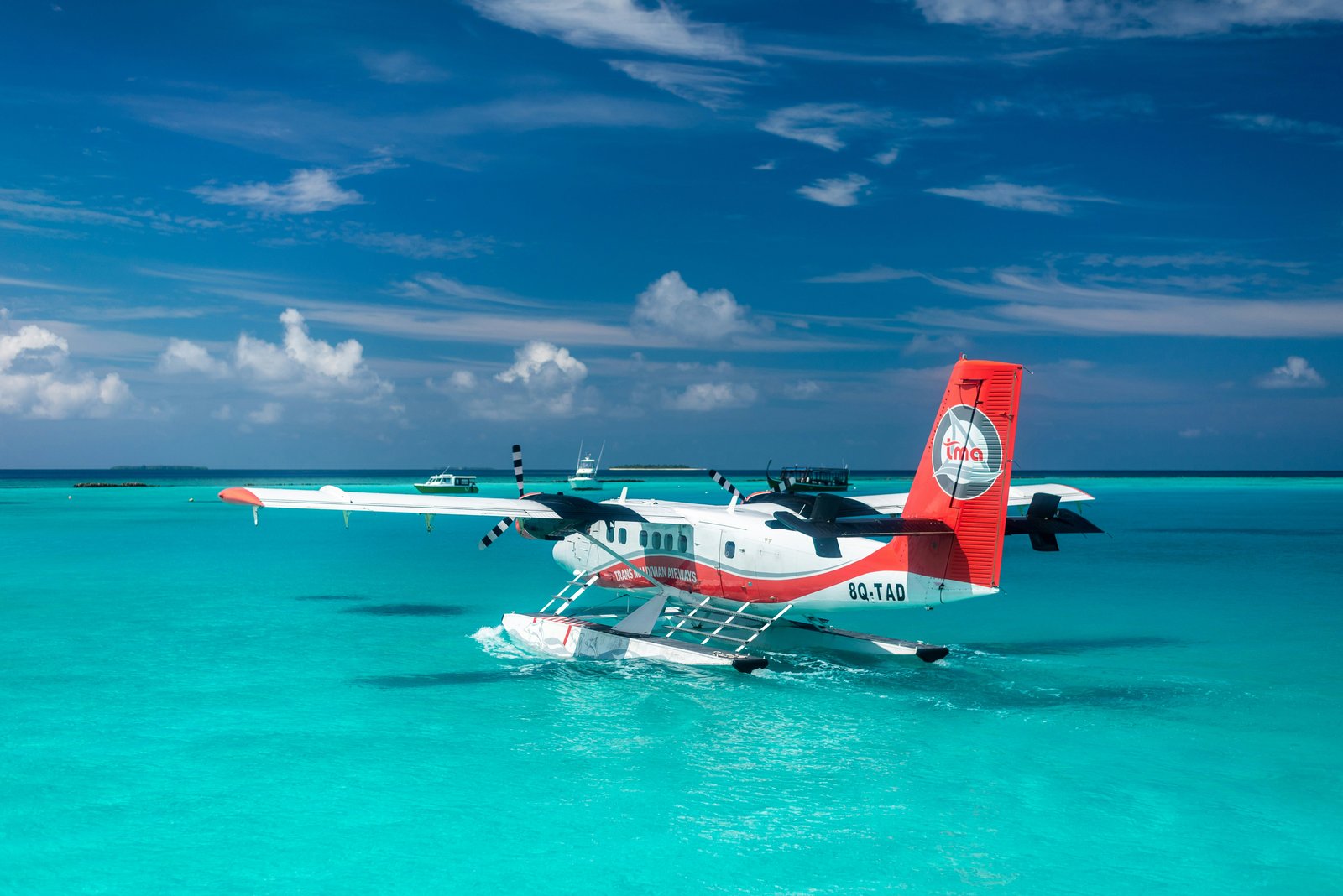
The De Havilland Twin Otter seaplane is perhaps the most iconic symbol of Maldivian travel. Operating from the Noovilu Seaplane Terminal—the largest of its kind in the world—these aircraft fly at low altitudes, offering a geographical perspective of the atolls that an international jet cannot provide.
Visual Flight Rules (VFR): Seaplanes operate strictly during daylight. If your international flight lands after 15:30, you will likely remain in Malé for one night.
The Sensation of Flight: These are small, non-pressurized cabins. You will hear the roar of the turboprop engines and feel the humidity of the archipelago. It is a raw, observational experience where the pilots often operate the pedals barefoot, navigating by sight across the shifting blues of the Indian Ocean.
The "Bus" Factor: It is important to note that a seaplane may not always fly direct. Much like a bus route, the plane may stop at one or two other resorts to drop off guests before reaching your lagoon
Seaplane vs. Domestic Flight: The Cost-Saving Alternative
Most travelers assume that if a resort is far away, a seaplane is the only option. However, many resorts reachable by seaplane also offer a Domestic Transfer alternative.
The Cost Benefit: Domestic flights (wheeled aircraft flying to regional airports) are often significantly cheaper than seaplanes.
The Late Arrival Solution: If your international flight lands after 16:00, a domestic flight is your only way to reach a distant atoll the same night, as they are equipped with radar for night flying.
The Final Leg: Remember that a domestic flight lands at a regional airport, followed by a short speedboat ride to the resort. Always ask your resort manager if a domestic option is available to save money or accommodate a late landing.