The Maldives Climate
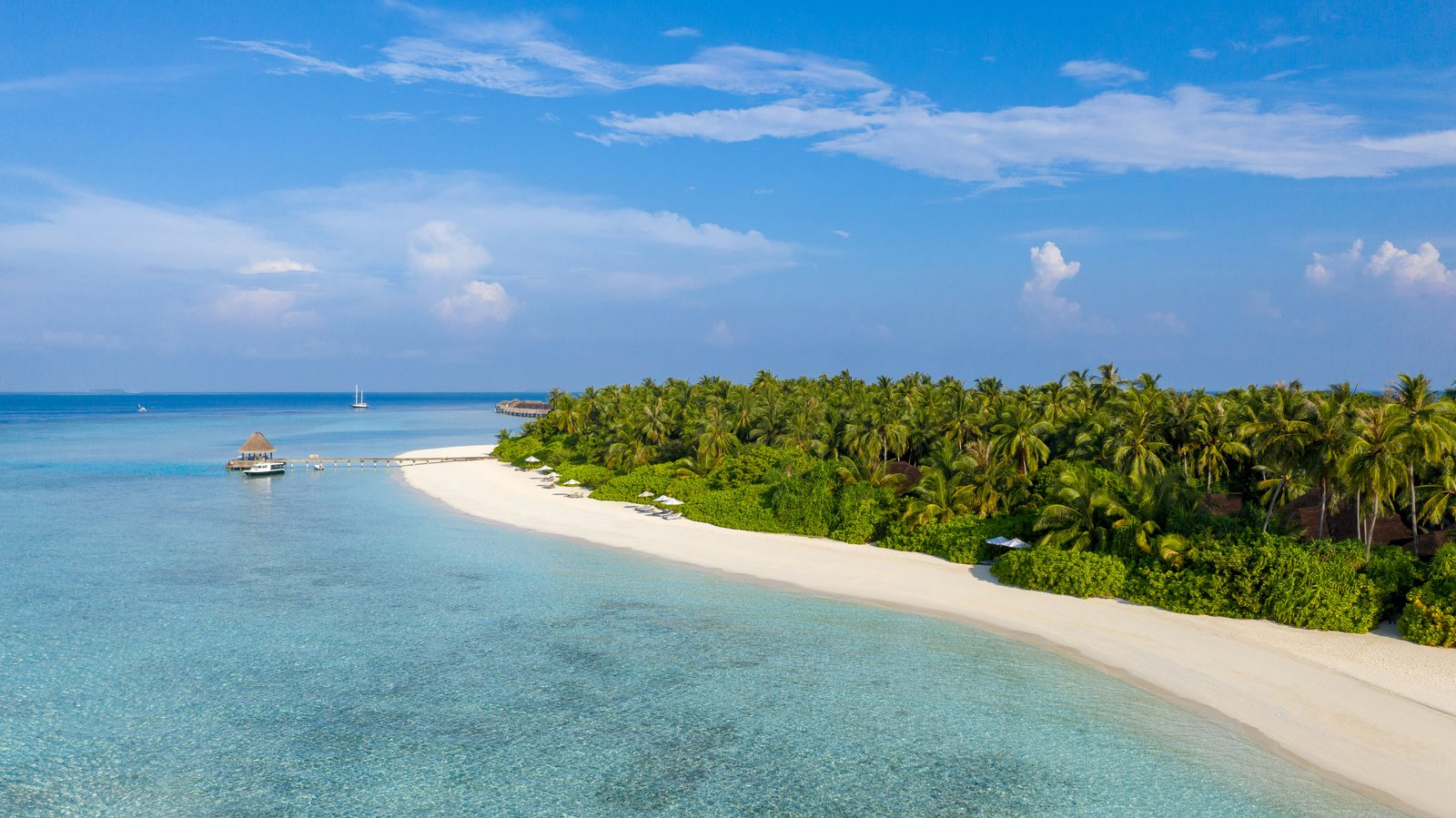
Scattered across the equator in the middle of the Indian Ocean, the Maldives experiences warm temperatures throughout the year.
Daytime temperatures usually remain between 28°C and 31°C, while sea temperatures stay close to 28°C year-round.
Instead of traditional seasons, weather patterns are shaped by two monsoons that sweep across the region.
These monsoons bring shifting winds, rainfall, and ocean currents that define the Maldives travel seasons.
The Dry Season (Northeast Monsoon)
Approximate period: November – April
This period is widely considered the most reliable time to visit the Maldives.
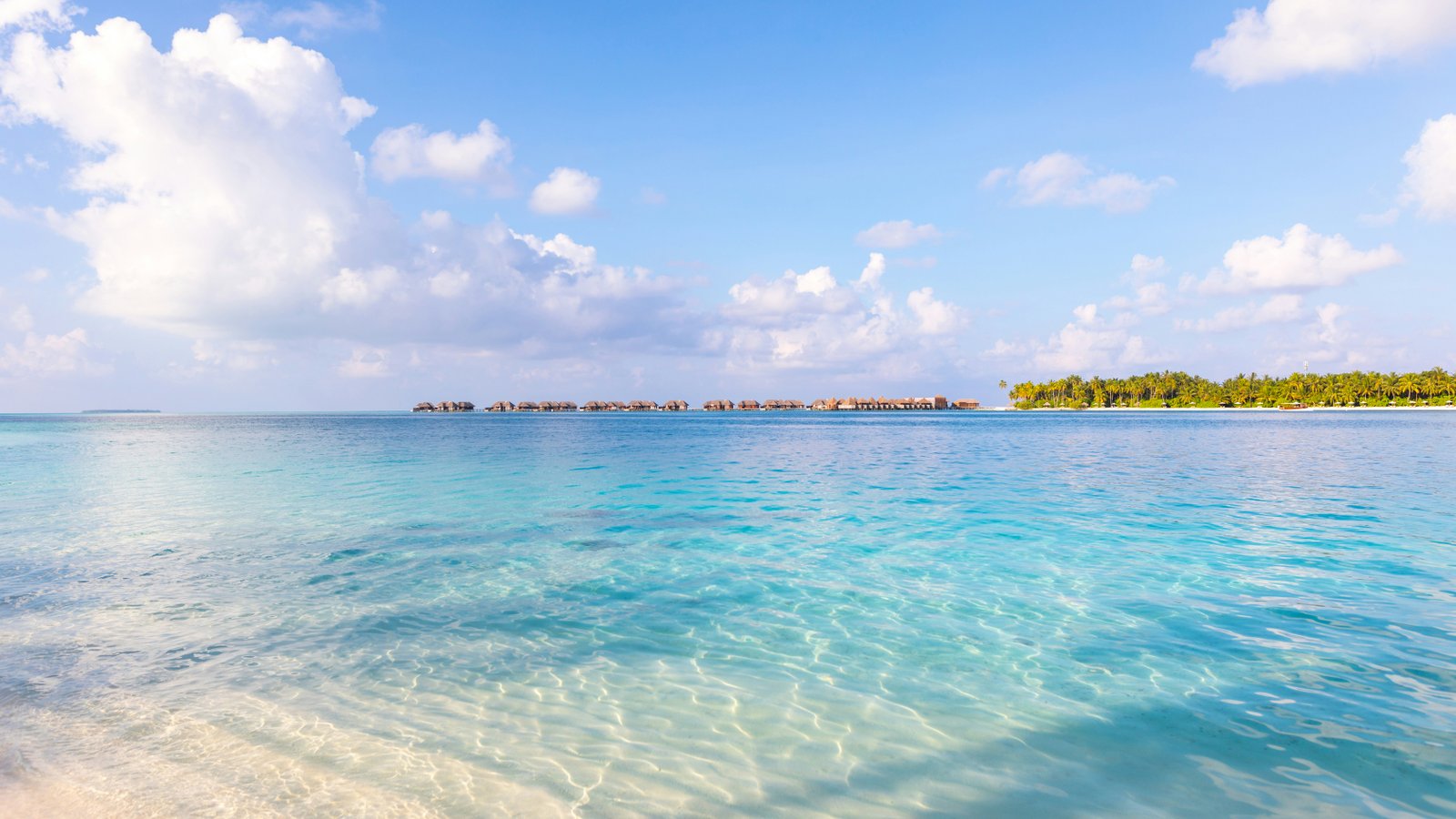
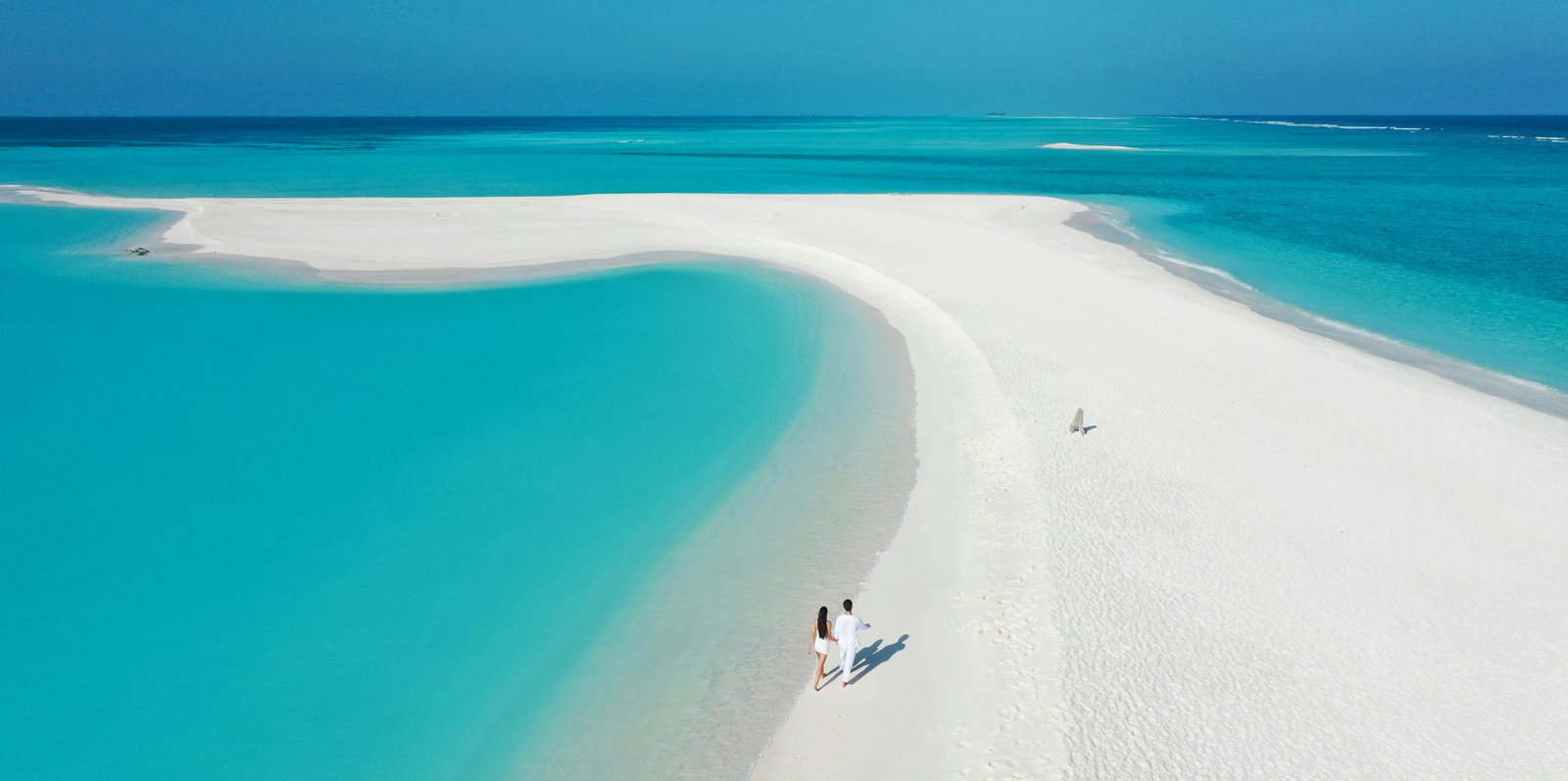
During these months the northeast monsoon brings drier air and calmer seas. Rainfall becomes less frequent, and the lagoons often appear at their clearest shades of turquoise.
January through March are typically the most stable months.
Clear skies, gentle winds, and excellent underwater visibility make this season especially popular with snorkelers and divers.
Because of these conditions, the dry season also coincides with the high season for resorts, when many travelers plan their visits.
The Wet Season (Southwest Monsoon)
Approximate period: May – October
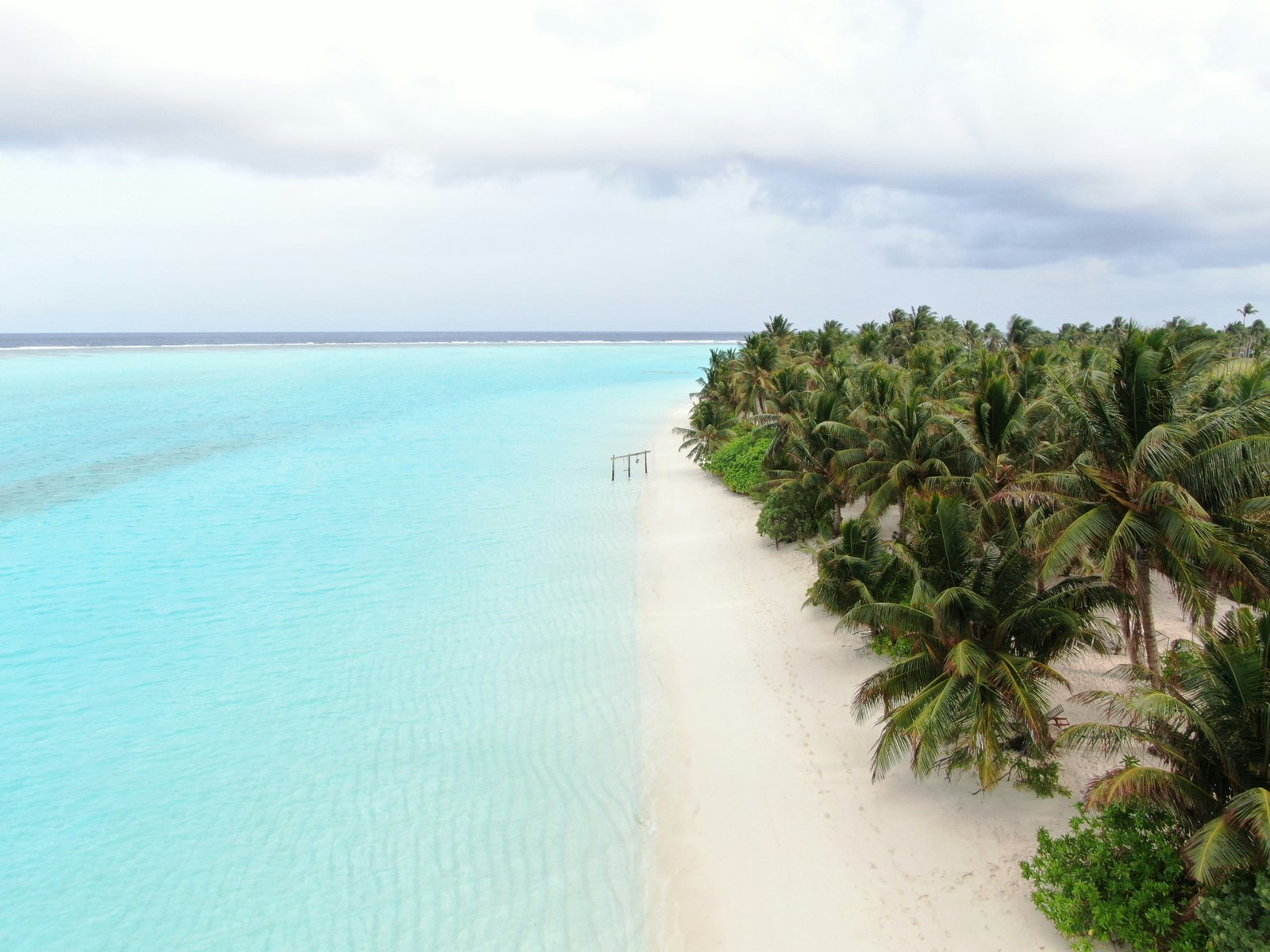
The southwest monsoon brings stronger winds and increased rainfall across the Maldives.
Rain often arrives as short tropical showers that pass quickly, followed by sunshine again. However, certain months tend to experience more unsettled conditions.
May, September, and October are often the wettest periods of the year.
Even during this season, the Maldives rarely experiences continuous rain for long periods. Days often include a mix of sunshine, clouds, and brief storms.
Many travelers are surprised by how much good weather they still experience during these months.
Why November to April Is Usually the Best Time
The period between November and April combines several factors that travelers often prioritize.
Rainfall becomes less frequent, seas are calmer, and sunlight is generally more consistent.
For photographers, these months often produce the clearest skies and the brightest lagoon colors.
For divers, underwater visibility is usually at its best.
This combination makes the dry season the most predictable time for first-time visitors.
Resort Pricing Through the Year
Resort prices in the Maldives follow a seasonal rhythm closely linked to weather patterns.
During the high season between January and April, demand is strong and resort rates are typically higher.
Prices drop during the low season from May to September, when rainfall becomes more common.
October and November often form a shoulder season, when weather gradually improves but prices have not yet reached peak levels.
The most expensive time to visit is the festive season around Christmas and New Year, when resorts host celebrations and demand increases dramatically.
During this short period, prices will rise significantly compared to the rest of the year.
Month-by-Month Overview
While conditions vary from year to year, the following patterns are commonly observed.
January – March
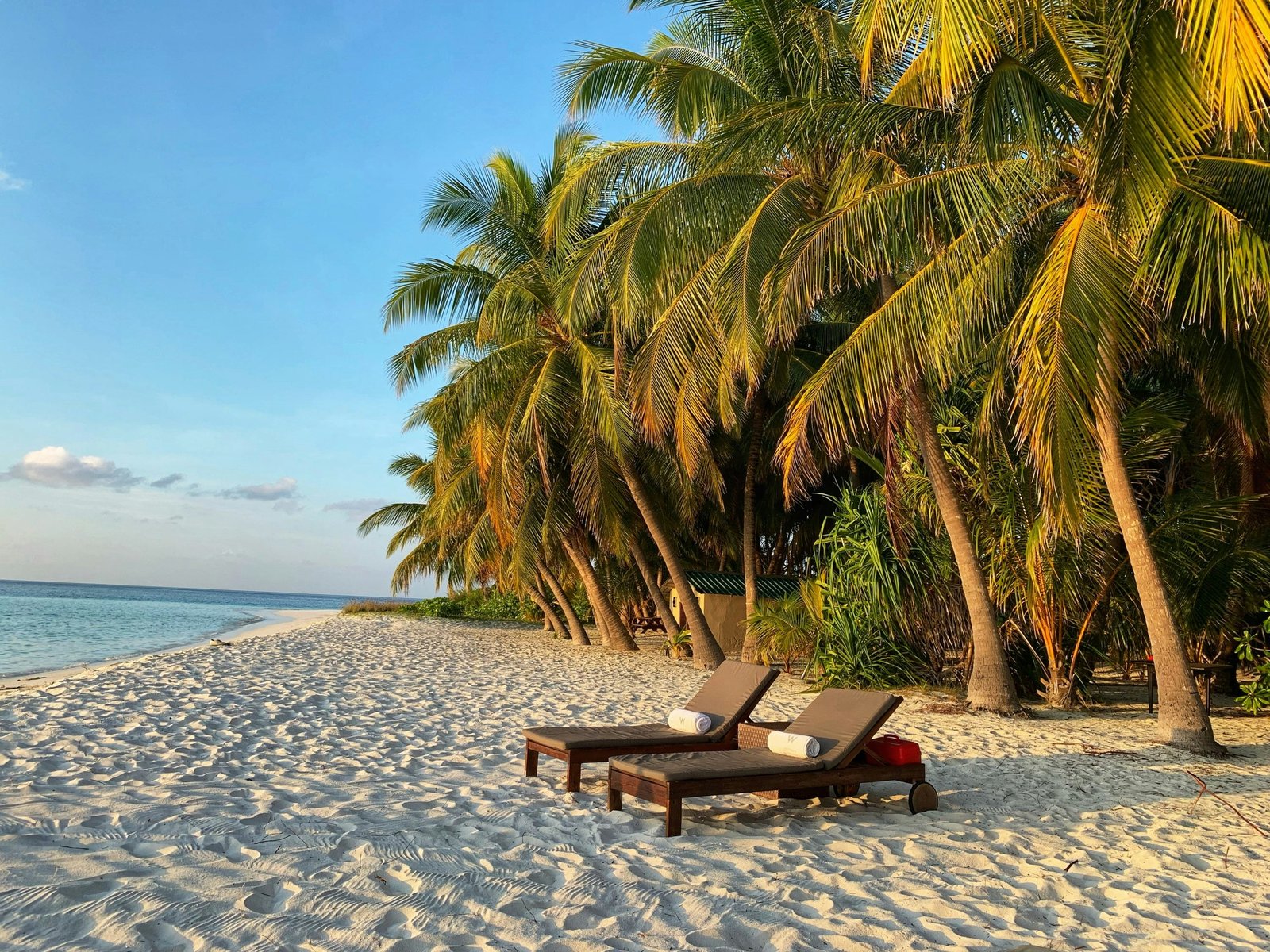
Often the most consistently sunny period of the year, with calm seas and excellent underwater visibility.
April
Still relatively dry, but humidity begins to rise as the season transitions.
May – June
Beginning of the southwest monsoon, with more frequent rain and changing winds.
July – August
Weather becomes mixed, alternating between sunshine and tropical showers.
September – October
Often the wettest months, with stronger winds and heavier rainfall.
November
Transition month as the dry season gradually returns.
December
Weather becomes increasingly stable toward the end of the month.
Marine Life and Seasonal Conditions
Ocean currents shift with the monsoon seasons.
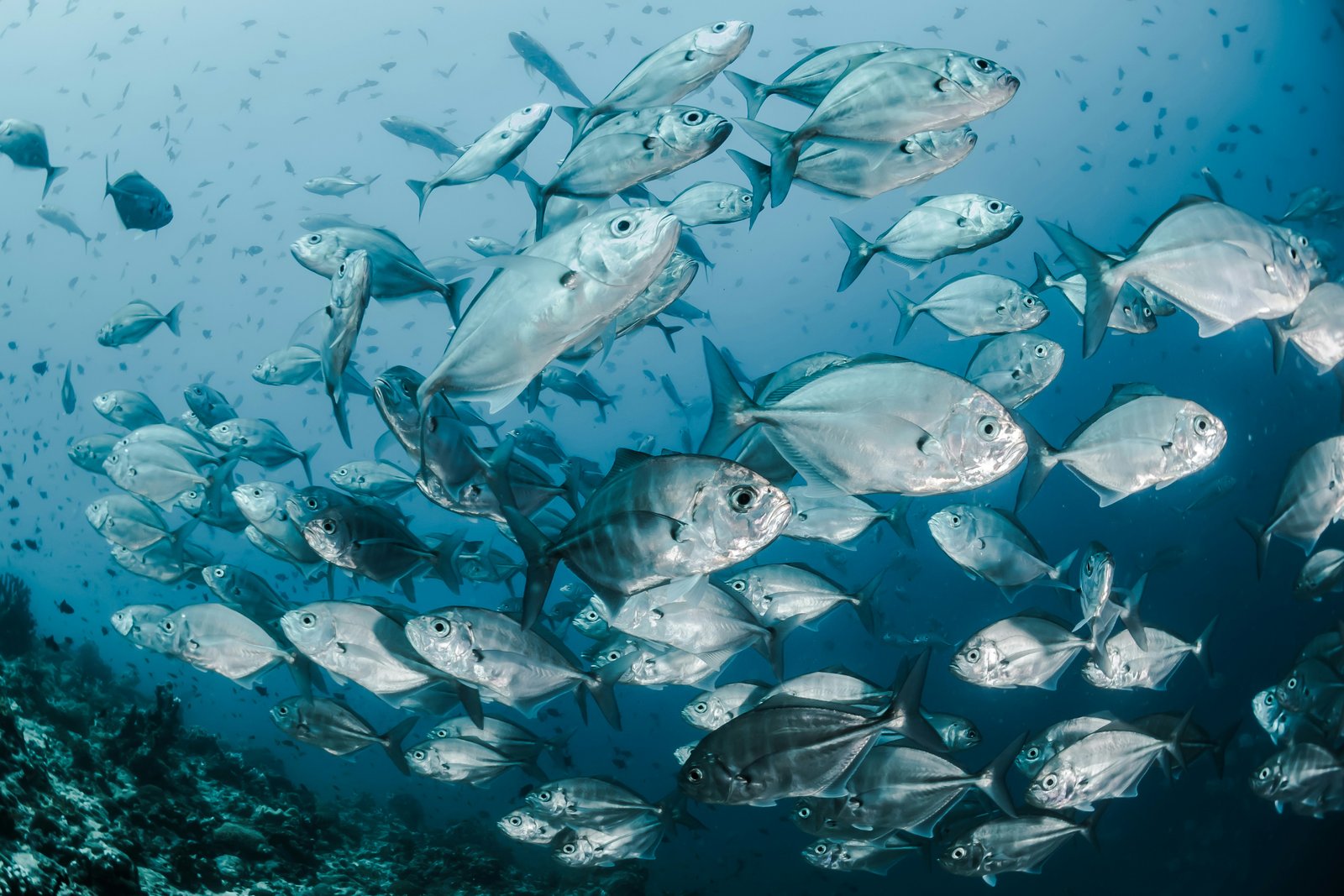
These currents bring plankton into different parts of the Maldives, attracting large marine species such as manta rays and whale sharks.
During the wet season, plankton-rich waters increase the chances of encountering these animals in certain atolls.
During the dry season, calmer seas often provide better underwater visibility for divers and snorkelers.
This means different seasons offer different types of marine experiences.
Final Thoughts
The Maldives remains one of the few destinations where tropical island scenery can be enjoyed throughout the entire year.
For the most reliable weather, the months between November and April are usually the safest choice.
For travelers seeking quieter resorts and lower prices, the May to September season can offer excellent value.
Ultimately, the best time to visit depends on what matters most to you — sunshine, marine life encounters, or travel budget.