A Tropical Equatorial Climate
Located just north of the equator, the Maldives experiences a classic equatorial maritime climate.
Temperatures remain warm and stable throughout the year. Unlike many tropical destinations, the Maldives rarely experiences extreme heat because the surrounding ocean moderates the climate.
Daytime temperatures usually remain between 28°C and 31°C, while evenings cool slightly as sea breezes move across the islands.
The ocean itself also plays an important role.
Sea temperatures remain close to 28°C year-round, which keeps the surrounding air warm and humid.
This stable climate allows coral reefs and marine ecosystems to thrive across the archipelago.
The Two Monsoons
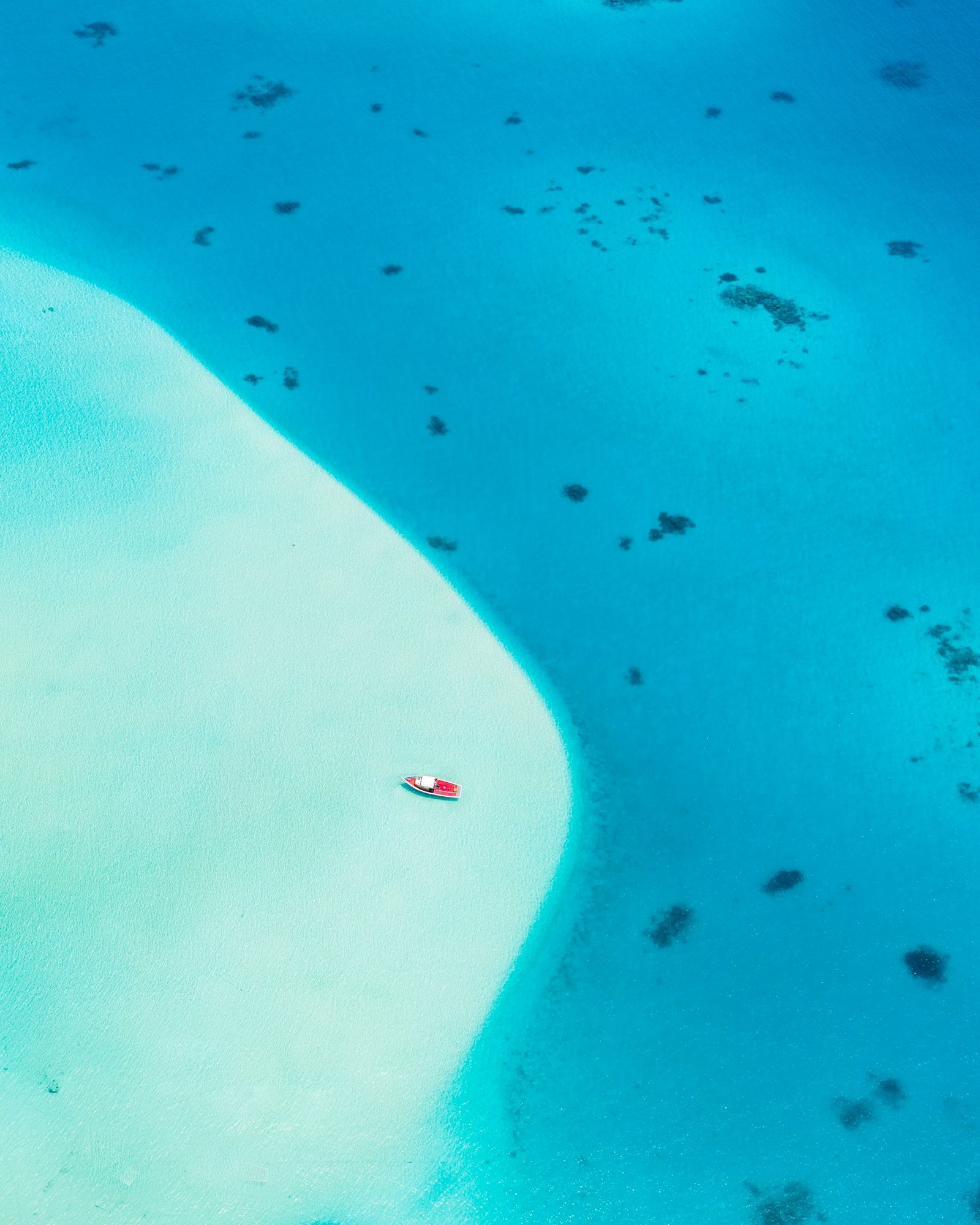
Across the Maldives, the weather is shaped by monsoon winds that sweep across the Indian Ocean, bringing shifting skies and changing seas throughout the year.
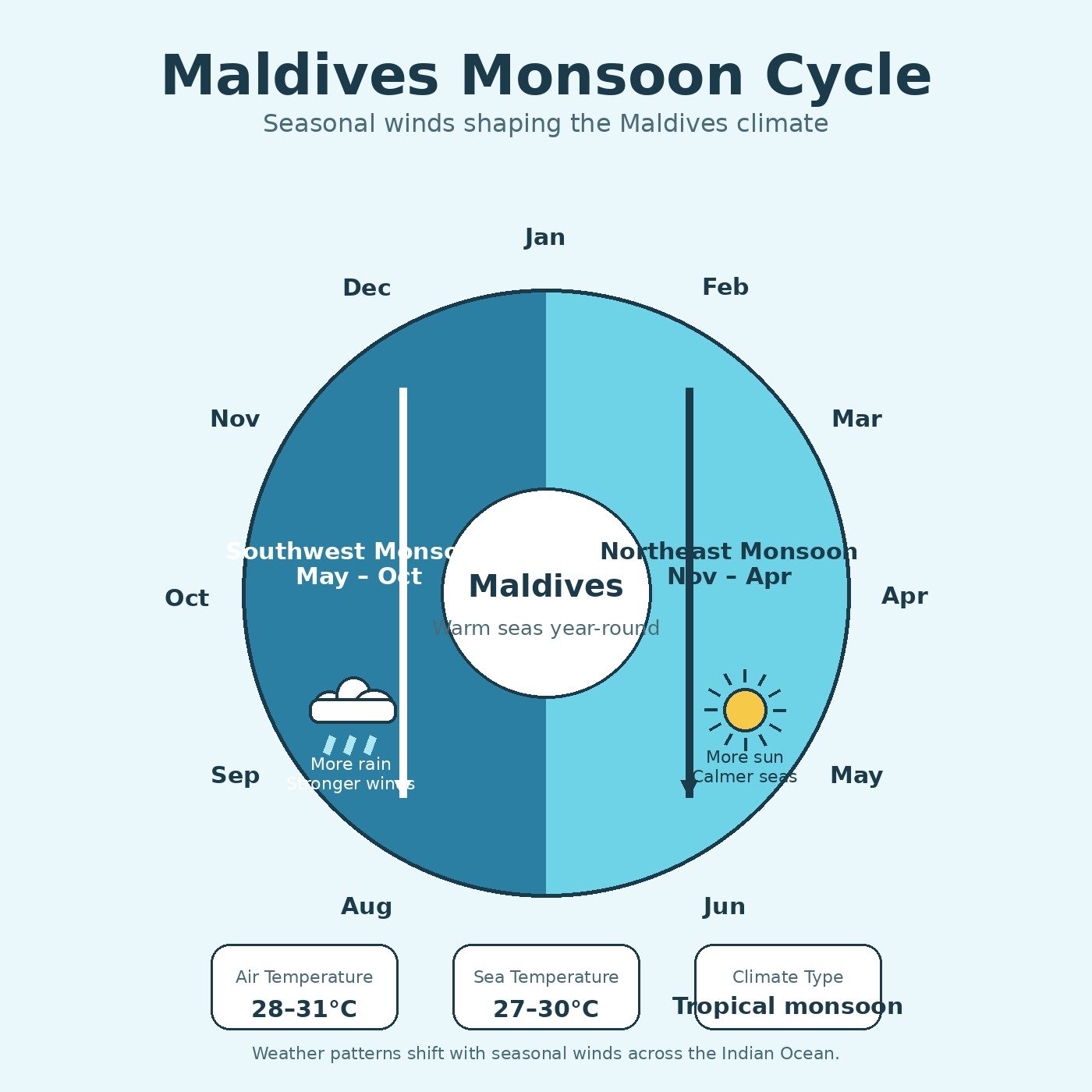
These seasonal winds divide the climate into two main periods.
Northeast Monsoon (Dry Season)
Approximate period: November – April
The northeast monsoon brings drier air and calmer seas.
During these months rainfall becomes less frequent and sunshine is generally more consistent. Clear skies and light winds are common, particularly between January and March, when conditions are often at their most stable.
Because of these calmer conditions, lagoons often appear especially clear and underwater visibility improves across many reefs.
This period is commonly referred to as the dry season, although occasional rain showers can still occur.
Southwest Monsoon (Wet Season)
Approximate period: May – October
The southwest monsoon brings stronger winds and increased rainfall.
Cloud cover becomes more frequent and tropical storms occasionally move through the region. Rain often arrives in short bursts, sometimes followed by bright sunshine only a few hours later.
The heaviest rainfall tends to occur during May, September, and October, when seasonal transitions create unstable weather patterns.
Despite the name “wet season,” continuous rain for days is relatively uncommon. Many days still include clear skies between showers.
Rainfall Patterns
Rainfall in the Maldives is highly seasonal but also somewhat unpredictable.
Most rain arrives in short tropical showers, often in the afternoon or evening. Storm clouds can build quickly over the ocean before moving across the islands.
Because the Maldives stretches over 800 kilometers north to south, rainfall patterns can vary between different atolls at the same time.
Northern atolls sometimes experience slightly different conditions from southern ones depending on regional weather systems.
Humidity and Wind
Humidity remains high throughout the year.
Warm ocean temperatures and constant evaporation create humid conditions across the islands. However, steady sea breezes usually keep the climate comfortable.
Wind strength changes with the monsoons.
During the northeast monsoon, winds tend to be lighter and seas calmer.
During the southwest monsoon, stronger winds create rougher seas and larger ocean swells.
These seasonal winds also influence ocean currents around the reefs.
Ocean Conditions
The surrounding Indian Ocean plays a major role in shaping the Maldives climate.
Sea temperatures remain warm throughout the year, usually between 27°C and 30°C.
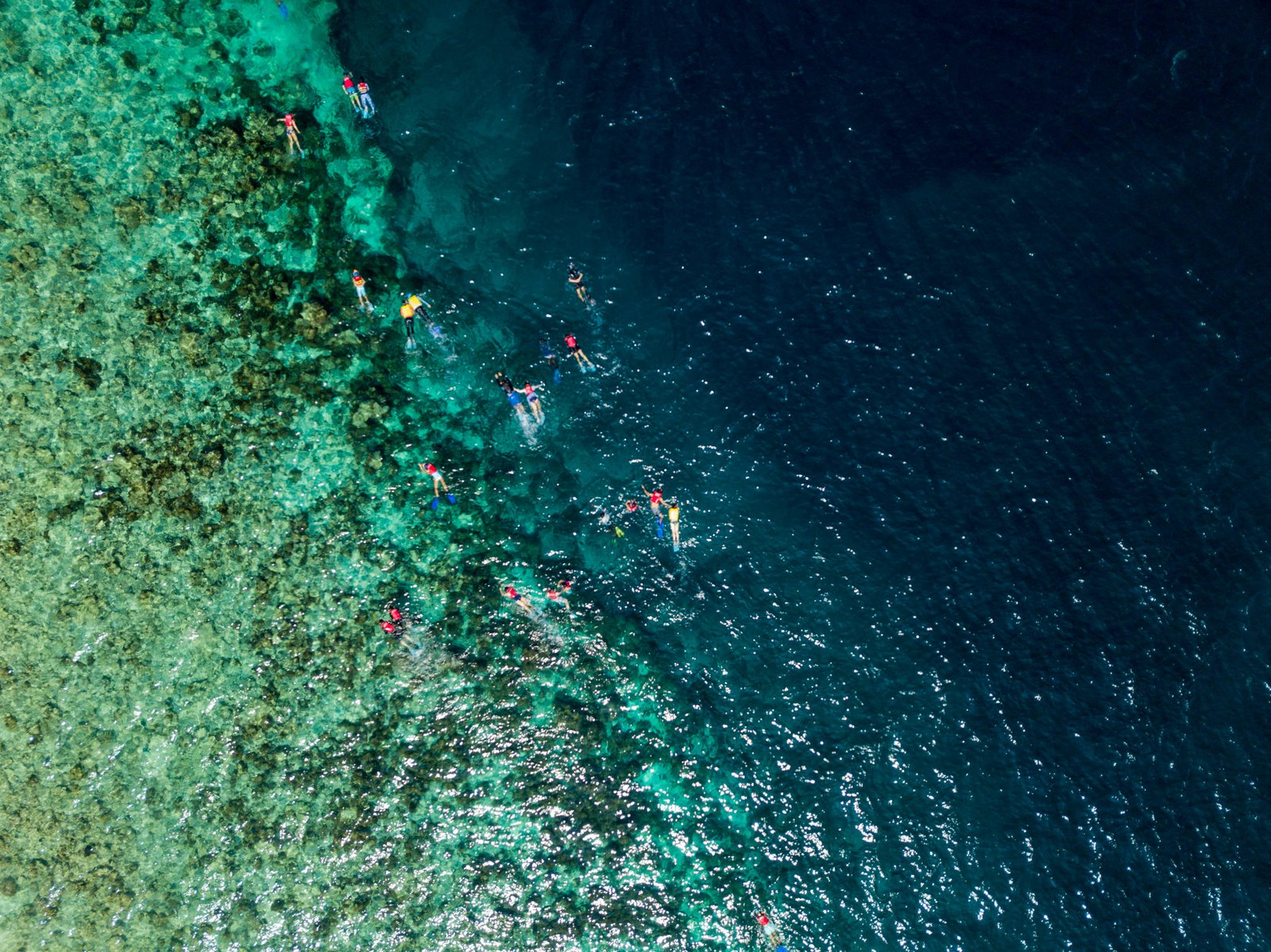
Warm water supports one of the richest marine ecosystems in the world, including coral reefs, reef fish, manta rays, and whale sharks.
Seasonal currents created by the monsoons influence plankton levels in the water, which in turn attract large marine animals.
These ocean changes are one reason why different seasons offer different diving experiences across the Maldives.
Cloud Cover and Sunshine
The Maldives experiences strong tropical sunlight year-round.
Even during the wetter months, many days still include several hours of sunshine between passing showers.
Clouds often build during the afternoon when heat rises from the ocean surface. These clouds can produce short rain showers before clearing again later in the day.
The changing cloud patterns also create dramatic skies and sunsets across the islands.
Storms and Tropical Systems
The Maldives lies outside the main cyclone belt of the Indian Ocean.
Large tropical cyclones rarely affect the islands directly.
However, distant storms in the Indian Ocean can occasionally generate stronger winds and rougher seas for short periods.
These systems typically pass quickly and rarely cause long disruptions.
Final Thoughts
The Maldives enjoys one of the most stable tropical climates in the world.
Warm temperatures, clear lagoons, and steady sea breezes define the islands throughout the year.
While the monsoon seasons influence rainfall and ocean conditions, dramatic changes in temperature are rare.
For travelers, this means the Maldives remains a destination where tropical island scenery can be experienced in every season.
Understanding how the monsoon cycle works simply helps set expectations for the type of weather you may encounter during your stay.